Showing posts with label Cornell. Show all posts

Wednesday, 24 October 2018

Unexpected Libraries


 When travelling, I find that libraries can be useful and attractive sanctuaries. They are usually quiet and comfortable places. More importantly, they have restrooms. Although Starbucks may have adopted an open access policy, I generally find that commercial establishments are not likely to welcome you and smile when you ask to use the facilities.
    Here are three libraries you don’t really need to visit since they are located in surroundings that are already peaceful and beautiful and fully equipped with plumbing. Given that you won’t need them and that they are not immediately obvious you are likely to overlook them. You shouldn’t. 

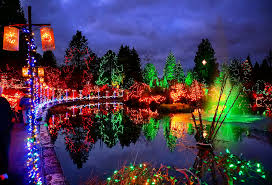
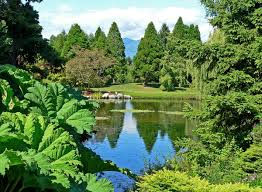
 VanDusen Botanical Garden

t


Located in Vancouver, B.C. you will find this beautiful spot occupying over 50 acres. For more details visit this link. If it is raining heavily, seek refuge in the Library which is just past the gift shop.

1. Yosef Wosk Library and Resource Centre
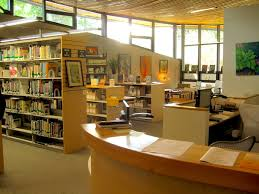


"Founded in 1976, and relocated to the new Visitor Centre in 2011, the Yosef Wosk Library and Resource Centre is the largest public access botanical and horticultural library in western Canada.The library’s collection focuses on gardening in British Columbia and the Pacific Northwest, and covers a wide range of topics including gardening techniques, selecting and growing ornamental plants, native floras from around the world, vegetable and herb gardening, pruning and training, North American ethnobotany, butterfly gardening, native plant gardening, flower arrangement, plant hunters, garden history, pests and diseases, garden design, gardens to visit, horticulture in urban environments, botany and plant ecology, plant conservation, literature in the garden, garden art, organic gardening, environmental science and much more."
The library also displays art work and there are often guest speakers. As you know, I am a fan of periodicals and you will find in this library: The Fiddlehead Forum, Bulletin of the Fern Society and the Conifer Quarterly. Here is the link.
If you are really interested in such libraries and want to know if there is one in a city you are planning to visit see: The Council on Botanical and Horticultural Libraries.

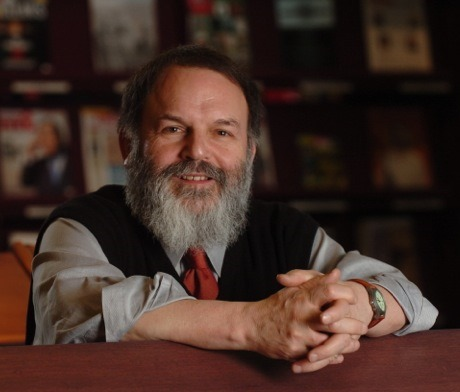
     The answer to the question, "Who is Yosef Wosk?" is not easily found on the site. But, one does find the answer elsewhere in Vancouver, over at Simon Fraser University. Dr. Wosk deserves a picture which is provided below:
    "Every great library has a circle of friends and supporters who help it grow and flourish.
Dr. Yosef Wosk exemplifies what it means to be a very good friend. He has supported hundreds of libraries—fledgling and established; urban and rural; public, private and academic—in British Columbia and around the world. Yosef, who is the director of Interdisciplinary Programs in Continuing Studies at SFU, was awarded the Keith Sacre Library Champion Award from the British Columbia Library Association in 2006 in recognition of his work with Libraries Across Borders.
     SFU Library has benefited greatly from Dr. Wosk’s philanthropy. In the 1990s, Yosef and his father helped bring a significant collection of Aldine books to SFU’s Special Collections and Rare Books.The Wosk-McDonald Aldine Collection consists of over one hundred rare 16th century tomes published under the imprint of Aldus Manutius. These books, which also feature beautiful bindings from the 16th to the 20th centuries, have added tremendous depth, quality, and tradition to SFU’s holdings."
                                           

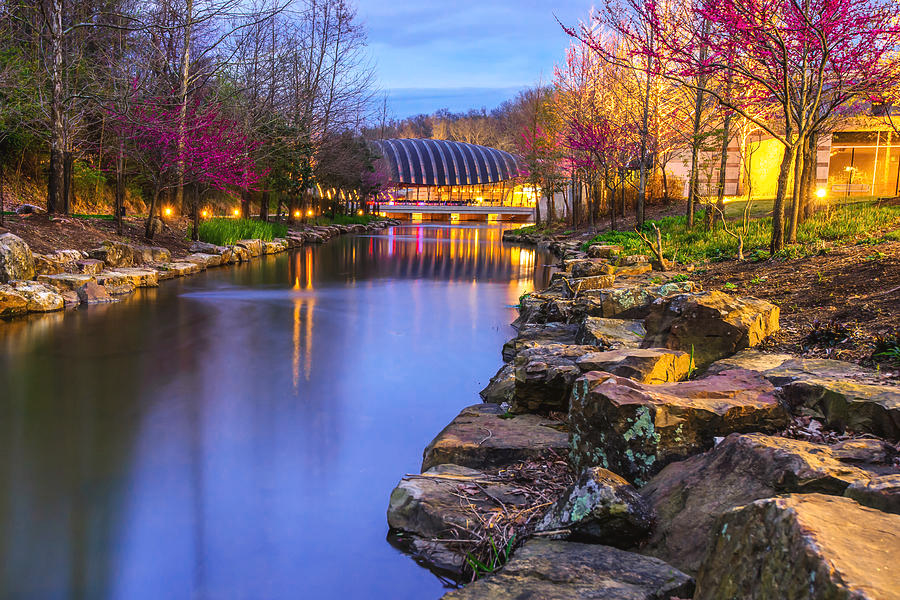
 Crystal Bridges Museum of American Art
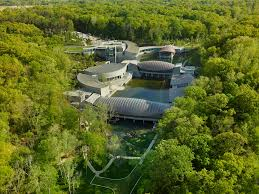


2. The Library at Crystal Bridges

This museum is located in Arkansas! It's still worth the trip. For a complete description see this link and also have a look at their blog. The library is a substantial one: "The Crystal Bridges Library features more than 50,000 volumes pertaining to American art and art history, plus archives containing personal papers and other artist ephemera, and access to several online resources. The Library provides the highest quality of access to resources and services, as well as commitment to the highest ethical standards for privacy, copyright, intellectual freedom, and preservation of information. The Library is located on the Museum’s third floor and is open during all Museum public hours."
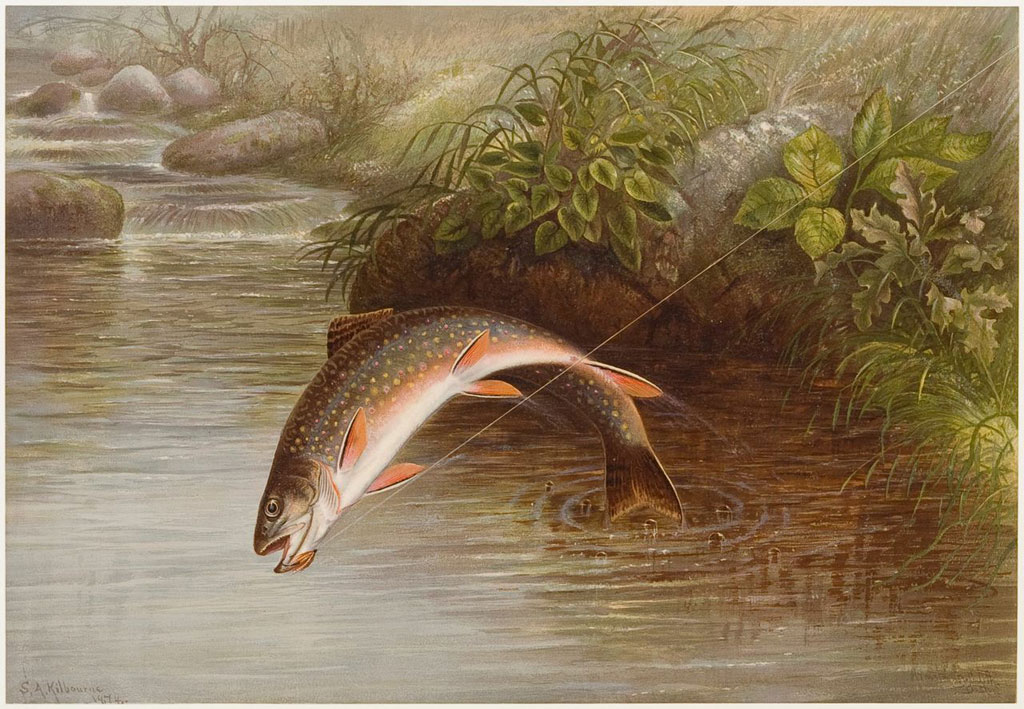


    When I visited a while back, one of the exhibitions was: Fish Stories: Early Images of American Game Fish. Apart from the displays this book was found in the collection:
"Game Fishes of the United States, one of the largest and most spectacular of American sporting books, was printed in 1879 -1880 at the zenith of late 19th-century American chromolithography. The work, which is included in the Crystal Bridges Library collection, features 20 color plates based on the original watercolor paintings by well-known sporting artist Samuel Kilbourne, with text written by ichthyologist George Brown Goode, head of the fish research programs of the US Fish Commission and the Smithsonian.
“The collection in Fish Stories ranks among the most admired 19th-century color lithography and helps tell the story of American printmaking.” said Catherine Petersen, Crystal Bridges Library Director. “The exhibition provides a unique opportunity for art lovers, anglers, and families to explore distinctly American fish in their natural surroundings, many of which can be found in nearby rivers and lakes.”

     For my earlier post on the visit to Bentonville and Crystal Bridges see: Amazing Accomplishment(s)


The Cornell Lab of Ornithology


Located in Ithaca, New York, you have probably visited the virtual Macaulay Library if you are at all interested in birds.
"The Lab’s Macaulay Library is the world’s largest online archive of natural sound audio and video recordings. The Macaulay Library is the world’s premier scientific archive of natural history audio, video, and photographs. Although the Macaulay Library’s history is rooted in birds, the collection includes amphibians, fishes, and mammals, and the collection preserves recordings of each species’ behavior and natural history. Our mission is to facilitate the ability of others to collect and preserve such recordings and to actively promote the use of these recordings for diverse purposes spanning scientific research, education, conservation, and the arts."

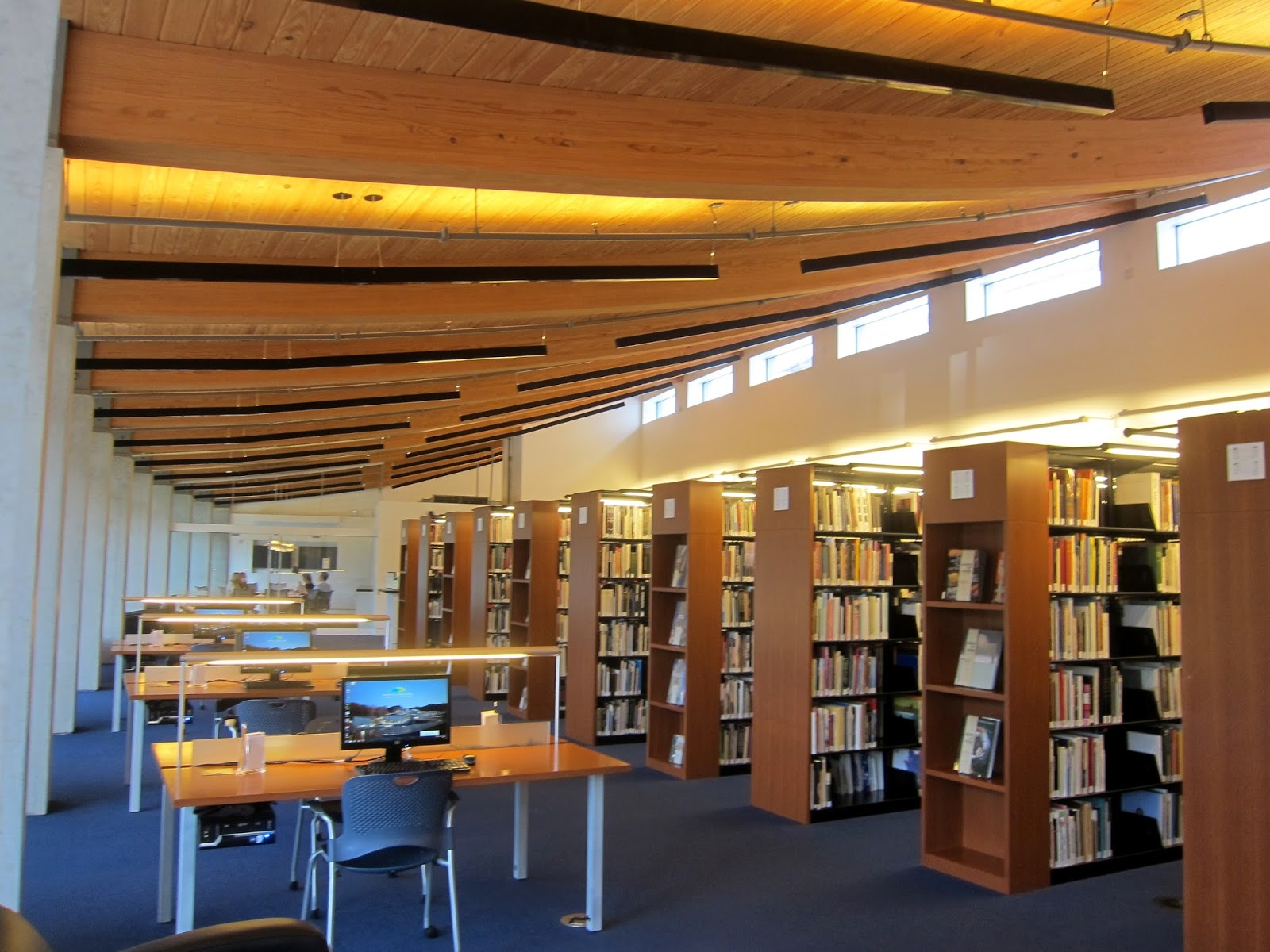
3. The Adelson Library

This real library is worth visiting, particularly if the Lab is full of school children or if it is raining in Sapsucker Woods.
"The mission of the Adelson Library at the Cornell Lab of Ornithology is to provide outstanding and innovative support for the Cornell Lab, and scholarly communities worldwide, by curating and disseminating contemporary and historical resources. It also serves casual visitors to the Lab's Visitors' Center, which is part of the Imogene Powers Johnson Center for Birds and Biodiversity at the Sapsucker Woods Sanctuary in Ithaca, New York. Prior to establishing the Adelson Library, the Lab of Ornithology had built a small reference collection containing approximately 200 volumes. Today the library houses more than 14,000 volumes and continues to expand in terms of both contemporary and historical literature, as well as other resources."

Friday, 29 December 2017

SOUND


    At the end of 2016 I happened to be looking for some of the internet sources for sound that I had noticed over the last couple of years. They were scattered in my notes and among my bookmarks so I rounded them up here. I thought I might as well share them.
    This short list should be useful for those searching for sources where you can hear things as well as see them. Be warned that some of these resources will not actually provide you with the sound via online streaming; in some instances you will have to visit the library or archive to access the sound. Still, below you will find thousands of speeches, songs and sounds and be able to listen to them.
    The list is divided into two sections, one for Human Sounds and one for Sounds from Nature. Researchers who focus on audio and the acoustic could certainly provide you with many more I am sure, but this list should suffice for those who are trying to locate a particular speech or identify the sound of a bird.

Human Sounds

 
     For sources from the  United States start first at the Library of Congress where you could end up spending the rest of your life listening. There are many points of entry, but I suggest beginning at the RECORDED SOUND RESEARCH CENTER.
From there try: Recordings Available Online where you will find collections as
Since 1988, the Sports Byline USA radio series has regularly presented interviews with notable figures from the world of sports. To this point, they have aired over 6,400 such interviews with athletes, coaches, trainers, managers, owners, writers and others in the areas of baseball, football, basketball, hockey, soccer, tennis, golf, track and field and other sports. Notable interviewees include John Wooden, Reggie White, Mickey Mantle, Elgin Baylor, Hank Aaron, Oscar Robertson, John Elway, Jose Canseco, Charles Barkley, Mike Krzyzewski, Jimmie Johnson, John Mackey, Archie Griffin, Bonnie Blair, Bill Bradley, Willie Mays, Jim Brown, Barry Sanders, John McEnroe, Natalie Coughlin and Meadowlark Lemon.”
Another useful entrance is found at the Library of Congress  American Memory site.

Some Other Suggestions in the U.S.

“The American Archive of Public Broadcasting contains more than 50,000 hours of digitized public broadcasting programs and original materials.”
This very rich site is worth visiting. Unfortunately, however, the content does not appear to be allowed to cross the border into Canada.

G. Robert Vincent Voice Library. Michigan State University Libraries.
“The G. Robert Vincent Voice Library is a collection of over 100,000 hours of spoken word recordings, dating back to 1888. The collection includes the voices of over 500,000 persons from all walks of life.”
This collection is close by in East Lansing so one could visit to listen to material not available online.
Here is a short review of the collection (from Choice, Nov. 2011)
“The G. Robert Vincent Voice Library (VVL) contains more material than any other academic voice library in the US: recordings of speeches, oral history interviews, lectures, and performances from a variety of prominent individuals from the business, political, artistic, athletic, and entertainment fields. Started in 1962 with a donation of 8,000 recordings, by 2000 the library had seen a 20-fold increase. Today it features 40,000-plus hours of spoken word recordings, as the comprehensive About link makes clear. The library, while comprehensive, is not completely accessible online. Copyright restrictions prevent the sharing of many items electronically. Those available online can be found in three browsable collections, which feature speeches from US presidents, oral histories from men and women who worked in the automotive industry, and readings and discussions from Michigan writers. The RealAudio files are relatively clear and easy to access. In addition to accessing the fully available collections, users may search the library's in-house holdings (which include WW II material and many recordings related to the arts) and order them through interlibrary loan. Rudimentary search capabilities allow for searches by keyword, speaker name, call number, and year. Although the inability to access all recordings online is a drawback, it does not diminish the usefulness of the collections that are available.”
     For Canada a good place to begin your search is at: Virtual Gramophone: Canadian Historical Sound Recordings which  “contains information for 78-rpm and cylinder recordings released in Canada from 1900 to 1950, as well as foreign recordings featuring Canadian artists and/or compositions. Each database record provides information about an original recording, such as its title and performer, relevant dates, and details about the label and disc. As well, “you will find Selected audio recordings are available in mp3 and Real-Audio formats. The recordings include:
First World War era military bands and popular music
Recordings from the vaudeville era of the 1920s
The music and entertainment scene in Quebec in the 1920s and 1930s
Orchestral, instrumental and religious music
Opera recordings by Canadian singers

See also the digital archives of the Canadian Broadcasting Corporation which has a useful “On This Day” section which allows you to select videos related to the day you choose.

The National Film Board of Canada site is very useful and if you go to the archival section you can search for films by keyword.

    For the United Kingdom go to British Library Sounds which “presents 50,000 recordings and their associated documentation from the Library’s extensive collections of unique sound recordings which come from all over the world and cover the entire range of recorded sound: music, drama and literature, oral history, wildlife and environmental sounds.”

Sounds From Nature


    In the U.S. you should go directly to:

The Macaulay Library - The Cornell Lab of Ornithology
This library has expanded and now includes more than bird sounds. It is the largest archive of natural sounds in the world, To learn more see this article from The Cornell Chronicle, Jan. 17, 2013.

The Acoustic Atlas is curated by the Montana State University Library and includes more than 2500 recordings of species and environments from throughout the Western United States. Among the sounds one finds more than a 1000 from birds.
“Through a cooperative project between the Acoustic Atlas and Yellowstone National Park, the growing audio collection aims to create new ways to experience the animals, landscapes and people of the area, by offering a freely accessible online archive of natural sounds, interviews and radio stories focused on the Greater Yellowstone Ecosystem.”

Here you will find a  resource that contains approximately 2000 unique recordings of more than 60 species of marine mammals. To learn more see the Woods Hole Oceanographic Institution.

The British Library sound archive is mentioned above. Use this link to go directly to the sounds of the Environment and Nature. Here you will find the British Library Wildlife Recordings.

   As an aside, one should appreciate these freely accessible resources. The BBC offers access to 13,000+ nature and animal sound effects for $3,999 US.
Post Script:   
    I have not looked much for Canadian sound sources, but will note that Canada was an early leader in sound studies thanks to Murray Schafer who is from Sarnia. For additional information see the World Soundscape Project.
     For a couple of books about sounds and history see:How Early America Sounded and Listening to Nineteenth Century America.

The usual bonus information:
If you are tired of all the noise that was generated in 2017 and seeking silence then go to the Hoh Rainforest in Olympic National Park. It is supposed to be the quietest place in the United States. See One Square Inch. (Listen carefully and you will hear the birds).