Since all of the news is "breaking" these days, here are some more stories which have broken and are related to older news items in MM.
War Is Also Bad For Animals
Back in the spring of 2019 in MM I called to your attention the "Factlet" that in the fall of 1939 the pet-loving Brits chose to "put down" around 400,000 of them. The grim details are found in: Factlet (2) - The Brits and Their Pets. Such an astonishing figure will need verification and it is found in a book mentioned in that post: The Great Cat and Dog Massacre: The Real Story of World War Two’s Unknown Tragedy by Hilda Kean.

To the library of books about awful things that have happened to animals, another can be added: Humans and Other Animals in the Deadliest Conflict of the Modern Age, John M. Kinder. It is published by the University of Chicago Press where this description is found:
A new and heartbreaking history of World War II as told through the shocking experiences of zoos across the globe. As Europe lurched into war in 1939, zookeepers started killing their animals. On September 1, as German forces invaded Poland, Warsaw began with its reptiles. Two days later, workers at the London Zoo launched a similar spree, dispatching six alligators, seven iguanas, sixteen southern anacondas, six Indian fruit bats, a fishing cat, a binturong, a Siberian tiger, five magpies, an Alexandrine parakeet, two bullfrogs, three lion cubs, a cheetah, four wolves, and a manatee over the next few months. Zoos worldwide did the same. The reasons were many, but the pattern was clear: The war that was about to kill so many people started by killing so many animals. Why? And how did zoos, nevertheless, not just survive the war but play a key role in how people did, too?"
The author of the book was asked five questions which are also available and answered in the related U of C blog.
For a review of the book see: "With World War II on the horizon, animal keepers in cities around the world had to face one question: What would happen to their charges?" By Sophy Roberts, Wall Street Journal, April 18, 2025.

War Is Certainly Bad For Humans
Although the Vietnam war ended fifty years ago, even those of you born in this century will certainly have seen at least one of the two photos provided in: "Napalm Girl" and "Napalm Girl" (Again). "Napalm Girl" is still alive and is living in Ontario. The photos mentioned can be seen in the posts above and will not be shown again here. In the second post, it is noted that questions have been raised about the "authorship" of the "Napalm Girl" photo. Since it was written, the questions have been addressed and the 97 page report is linked in this article:
"The Associated Press Won’t Change ‘Napalm Girl’ Photo Credit: A documentary called “The Stringer” called into question whether Nick Ut actually took the famous photograph in Vietnam. The AP’s year-long probe couldn’t prove otherwise," Scott Nover & Jada Yuan, The Washington Post, May 6, 2025.
The End of the Crickets
Like Buddy Holly They Are No More
De Bono, one of the last of the local reporters, has been dutiful in his reporting on the demise of Aspire, the London cricket factory. I also have been devoted to this subject and a future historian will find in this post all they need to know about the failed aspirations of this London enterprise. I will offer first, the latest and surely the last cricket story which is provided by Mr. De Bono. Then follow the MM posts which are largely based on his reporting. I did contribute a bit about Kricket Krap, a by-product the Aspire folks may have overlooked. And, if you are still not interested I should mention that the company was seen to be part of a conspiracy.
Mr. De Bono is a professional and his titles are clearer and first sentences better than mIne:
"Cricket Producer in Receivership: City Plant Still Going as Aspire, Reportedly $41.5M in Debt, Seeks Buyer or Financing," Norman De Bono, The London Free Press, May 14, 2025.
"By Jiminy, London's cricket dreams have run into a financial roadblock as menacing as, well, a massive can of Raid."
Now, here is one of my titles and you will likely spot the difference:
Mr. De Bono is a professional and his titles are clearer and first sentences better than mIne:
"Cricket Producer in Receivership: City Plant Still Going as Aspire, Reportedly $41.5M in Debt, Seeks Buyer or Financing," Norman De Bono, The London Free Press, May 14, 2025.
"By Jiminy, London's cricket dreams have run into a financial roadblock as menacing as, well, a massive can of Raid."
Now, here is one of my titles and you will likely spot the difference:
"ENTOMOPHAGY"
I will skip my first sentence and go to the second paragraph by the professional:
"Norman De Bono (the reporter) revealed that, London will become home to the world’s largest indoor cricket farm with Aspire Food Group opening a 100,000-square-foot plant here that will act as a launch pad to bring bugs, as food, to the North American market....At the plant, crickets will be hatched and grown on-site and will become a tasteless, odourless protein powder that will be sold as a food additive, and will also be used to make protein bars.
That post is the one that mentions Kricket Krap which is sold by a company in Georgia so you shouldn't buy any right now.
Here is the post which reveals that this cricket business is just part of a scheme by Davos-types who want to force us to eat insects in communist Canada. Crickets and Conspiracies.
Trashy News
I will skip my first sentence and go to the second paragraph by the professional:
"Norman De Bono (the reporter) revealed that, London will become home to the world’s largest indoor cricket farm with Aspire Food Group opening a 100,000-square-foot plant here that will act as a launch pad to bring bugs, as food, to the North American market....At the plant, crickets will be hatched and grown on-site and will become a tasteless, odourless protein powder that will be sold as a food additive, and will also be used to make protein bars.
That post is the one that mentions Kricket Krap which is sold by a company in Georgia so you shouldn't buy any right now.
Here is the post which reveals that this cricket business is just part of a scheme by Davos-types who want to force us to eat insects in communist Canada. Crickets and Conspiracies.
Trashy News
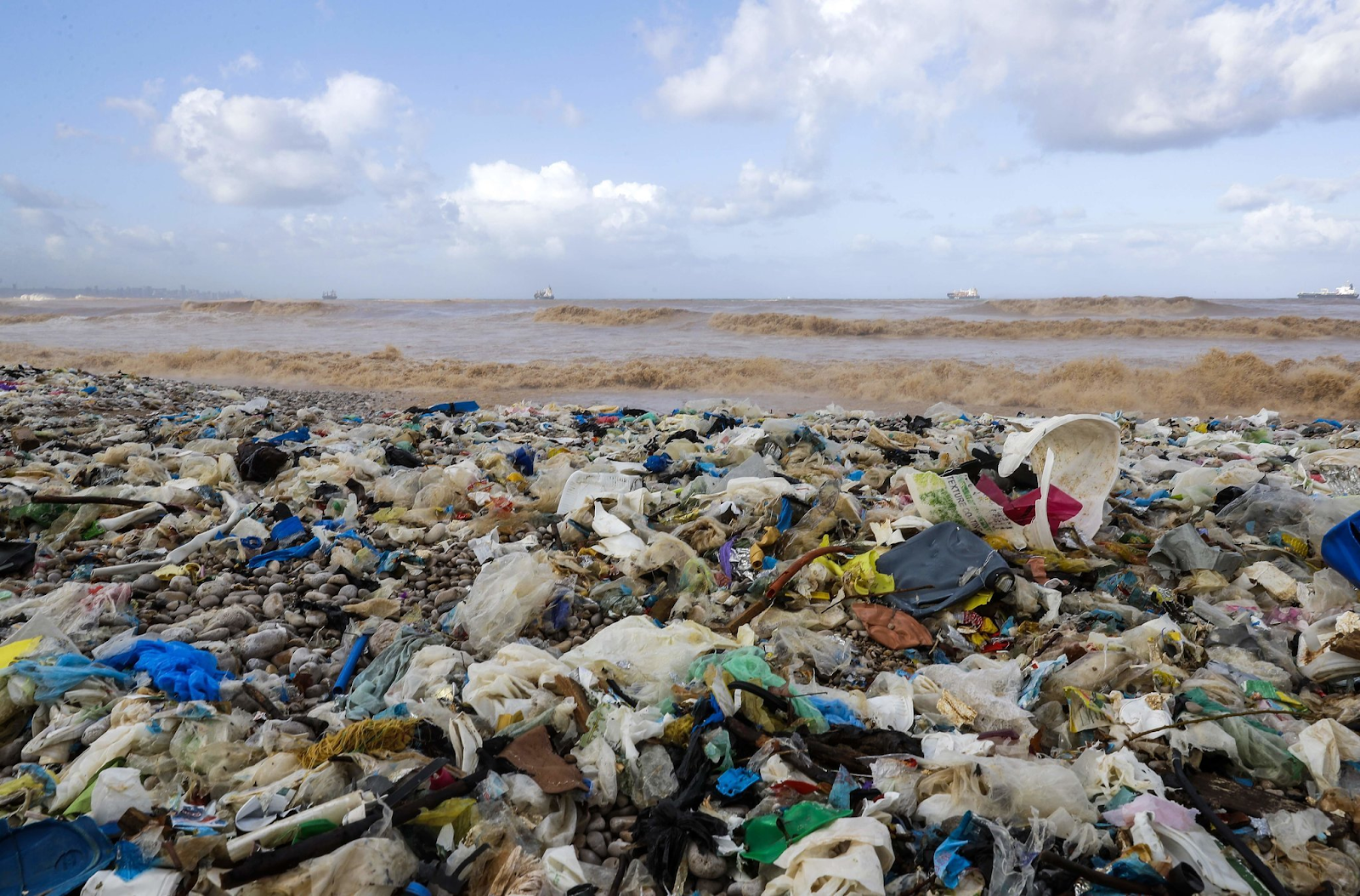
That is a more attractive title than "News About Trash", about which I have provided many posts since there is plenty of trash. The new title about trash is all you need and I will spare you the details which are hardly needed: "On a Remote Australian Island, the Birds Are So Full of Plastic They Crunch: Seabirds Have Been Fishing Plastic From the Ocean and Feeding it to Their Chicks, Researchers Say. One Bird Was Found to Have Ingested 800 Pieces," Victoria Craw, The Washington Post, May 16, 2025.
For more proof that the plastic is piling up and that there is now something called "sea snot", see below:
Flotsam and Jetsam
More Flotsam
More Trash
Marine Mucilage in the Sea of Marmara
Polluted RIvers
The Bonus:
I couldn't help but notice that one of the authors in the articles cited above provides an example of an inaptronym (Kinder in the article about killing) and another an aptronym (Craw in the last article about birds ingesting plastic.) About that subject see: Aptronyms.
Amen
I couldn't help but notice that one of the authors in the articles cited above provides an example of an inaptronym (Kinder in the article about killing) and another an aptronym (Craw in the last article about birds ingesting plastic.) About that subject see: Aptronyms.
Amen